

Left Out of the Will? A Guide to Common Law Estate Claims in Ontario
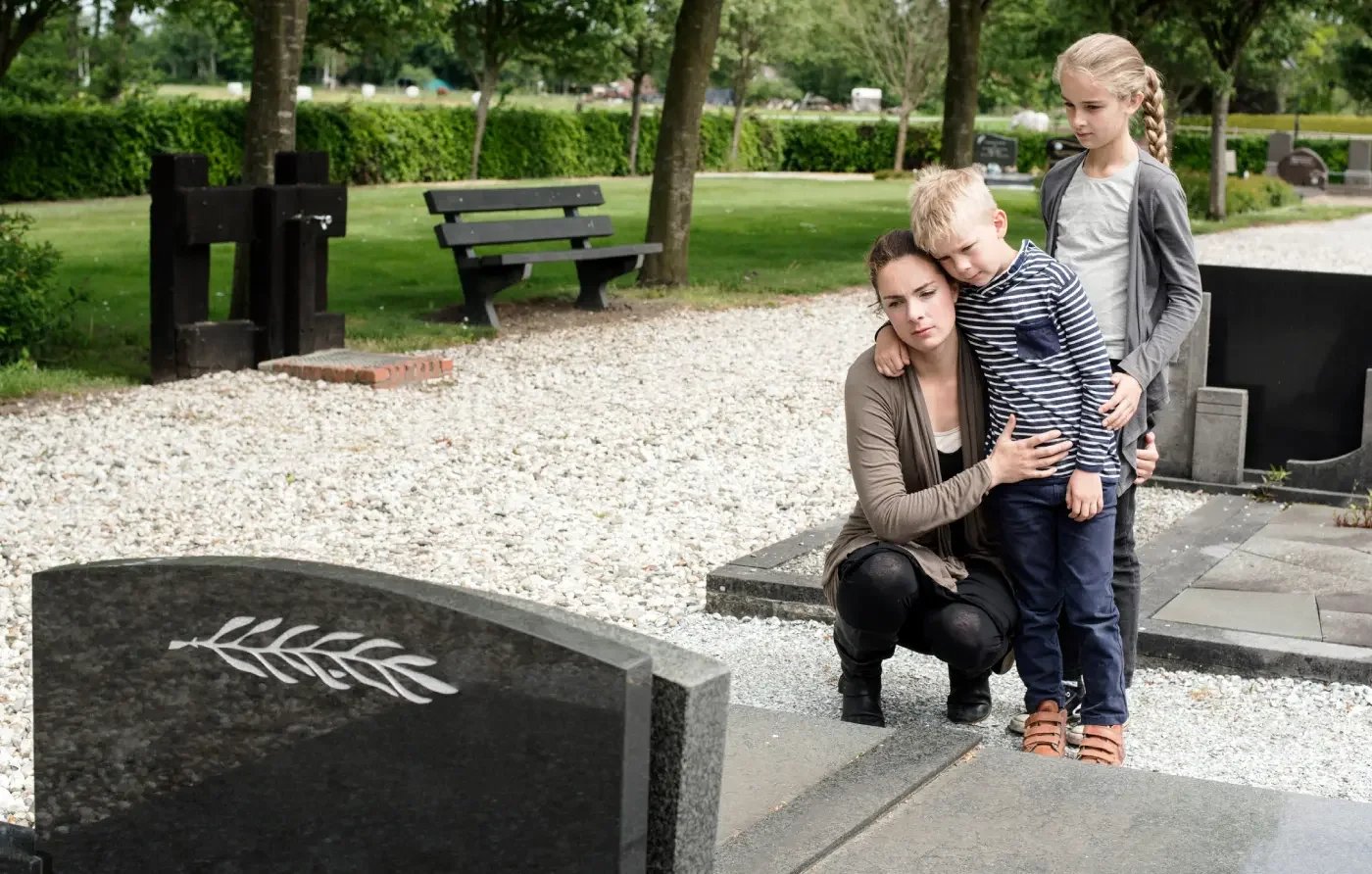
In Ontario, a common law partner does not automatically inherit from an estate the way a married spouse does. However, depending on the circumstances, they may have legal rights to make a common law estate claim through dependant support claims, unjust enrichment claims, or by challenging the validity of a will.
Common law partner claims come up often across Simcoe County, Muskoka, and Grey County, usually within days of a partner's death, once the surviving partner learns there is no will, or that the will leaves them out entirely. Couples build a life together for years, raise children, buy property, and manage household finances jointly, all without ever signing a marriage certificate. When a partner dies and the survivor discovers they were not provided for, one question immediately follows. Does a common law spouse have any legal right to a share of the estate?
At Gionet Fairley Wood LLP, we regularly advise surviving spouses and common law partners throughout Ontario on estate disputes involving wills, dependant support applications, and inheritance claims. Learn what Ontario law actually says about a common law spouse and the paths available when a partner is left out of a will or excluded entirely under an intestacy.
What Counts as a Common Law Spouse in Ontario?
Ontario recognizes a common law spouse, sometimes called a conjugal partner, as two people living together in a marriage-like relationship without a legal marriage. This status generally applies once a couple has lived together continuously for at least three years, or once they have lived together in a relationship of some permanence and share a child together.
Courts look beyond whether two people shared an address. They consider whether the couple combined finances, shared household responsibilities, presented themselves publicly as partners, and intended to build a life together.
Many people assume that reaching this threshold automatically grants the same protections as marriage. It does not. The distinction becomes critical the moment a partner dies and an estate is divided, which is exactly when common law partner estate claims tend to arise.
What Happens if Your Common Law Partner Dies Without a Will?
When a person dies without a will in Ontario, the estate is distributed under the intestacy rules set out in the Succession Law Reform Act. These rules give a fixed share of the estate to a legally married spouse and divide the remainder among children or other blood relatives. A common law spouse is not included in that formula at all. This means a surviving partner who lived with the deceased for years, and who may have contributed just as much to the household as a married spouse would have, receives nothing under these default rules.
The one foothold available under intestacy is the informal priority a common law spouse holds to apply for the role of estate trustee, and even that comes with no guarantee of a share in the estate itself. Anyone in this position should assume that a dependant support claim or an unjust enrichment claim will be necessary to recover anything from the estate.
This gap in the law catches many people off guard, particularly after a relationship of ten, twenty, or thirty years. A surviving partner who managed the home, raised children, or contributed income toward a shared property can still be left with no legal claim to a single asset under the intestacy rules alone.
Applying to Become the Estate Trustee
There is one practical advantage available to a surviving common law spouse when a partner dies intestate. Combined provisions in the Estates Act and the Succession Law Reform Act give a common law spouse informal priority over other relatives to apply for the role of estate trustee. This priority allows a surviving partner some control over how the estate is administered, even though it does not create any entitlement to a share of the property itself. Anyone in this position should move quickly and speak with a lawyer before other relatives do.
What is a Dependant Support Claim?
When a common law spouse discovers they were left out of a will, or that intestacy rules leave them with nothing, the first and most direct remedy is a dependant support claim under Part V of the Succession Law Reform Act. To qualify, the surviving partner generally must have cohabited with the deceased continuously for at least three years or lived together in a relationship of permanence while sharing a child, and most importantly, the foregoing must be true as of the date of the deceased’s death.
A judge deciding this type of claim will look closely at the length of the relationship, the standard of living the couple maintained, the age and health of the surviving partner, the degree of financial dependence, and the needs of any other beneficiaries named in the estate. A support application must be filed within six months of the date the Certificate of Appointment of Estate Trustee is issued, though the court can extend this deadline in certain circumstances. Anyone who suspects they may need to bring this type of claim should not wait for that window to close.
Claiming Unjust Enrichment When Left Out of a Will
Some surviving partners contributed far more to a shared home or business than any dependant support claim alone would capture. If a common law spouse helped pay down a mortgage, funded renovations, or provided years of unpaid labour that allowed a partner to build wealth or preserve property, an unjust enrichment claim may apply.
This equitable remedy asks a court to look at three things. First, whether the deceased partner received a real benefit from the surviving spouse. Second, whether the surviving spouse suffered a matching loss of time, money, or opportunity. Third, whether there was any legal reason, such as a contract, which justified the deceased partner keeping that benefit without paying for it.
Where a court finds enrichment without a juristic reason, it can award financial compensation or grant the surviving partner an actual ownership interest in the property through what is known as a constructive trust. Unlike a dependant support claim, there is no minimum length of relationship required to bring this type of claim forward.
Challenging a Will That Excludes a Common Law Spouse
A surviving partner who was named in an earlier will, then removed shortly before death, or who believes someone improperly influenced their partner's estate planning, may have grounds to challenge the validity of the will. Common reasons include a lack of testamentary capacity due to conditions such as dementia, undue influence by a caregiver or family member, or concerns about fraud, forgery, or other suspicious circumstances surrounding the preparation and signing of the will.
A successful will challenge depends on strong evidence rather than suspicion alone. Medical records, witness testimony, earlier versions of the will, and communications surrounding the deceased's estate planning may all help establish whether the will truly reflected their wishes. These cases can be legally and emotionally complex, making it important to seek legal advice as soon as concerns arise.
What Are Your Options for Resolving a Common Law Estate Dispute
A surviving common law spouse who believes they were left out of a will unfairly should speak with an estate litigation lawyer as soon as possible. An experienced estate litigation lawyer will help advise the common law spouse on the appropriate remedies, which may include litigation. Pertinent to litigation is gathering documentation and that matters a great deal. What those records are depends on the nature of the allegations or the relief being sought.
Many disputes are resolved through direct negotiation with the estate trustee or other beneficiaries once a lawyer has laid out the strength of the claim. Mediation is also common in Ontario estate matters and often produces a faster and less costly result than a trial, particularly where family relationships need to continue afterward. Litigation remains available when a fair resolution cannot be reached through negotiation or mediation, and in some cases it is the only way to protect a surviving partner's interest in the estate.
What Evidence Helps Support a Common Law Partner Claim to an Estate?
Every common law partner claim depends on its own facts, and the strength of a claim often comes down to the available evidence. Courts look beyond whether a couple simply shared an address and instead consider whether they lived together in a genuine, marriage-like relationship. Documents such as joint bank accounts, mortgage or lease agreements, utility bills, insurance policies, tax returns, beneficiary designations, and correspondence can all help demonstrate the nature of the relationship and the level of financial interdependence.
If a claim involves property or unjust enrichment, evidence of financial or personal contributions can be equally important. Bank records, receipts for renovations, proof of mortgage payments, business records, or evidence of unpaid labour may all support a claim. Because every estate dispute is different, speaking with an estate litigation lawyer early can help preserve important evidence and identify the documents that will best support your case.
What Happens to Jointly Held Property and Named Beneficiaries?
Not every asset passes through the deceased’s estate. Bank accounts, life insurance policies and investments may pass directly to the surviving partner outside of the will, if they are named as a beneficiary. Real property held jointly with a right of survivorship would normally pass to the surviving owner. However, beneficiary claims to pension plans are more nuanced in the presence of a surviving common law spouse, as they normally get priority regardless of the named beneficiary designation.
The various claims that may be advanced against estate assets could fill an entire blog of their own and are beyond the scope of this article. A surviving common law spouse should gather documentation on every joint account and named beneficiary designation early, since these assets can meaningfully change the overall picture even where the will itself provides nothing.
Protecting Yourself Before a Dispute Arises
Couples who never marry can take practical steps long before either partner passes away. A properly drafted will that names a common law spouse removes any need to rely on dependant support claims or intestacy rules later. Reviewing beneficiary designations on life insurance and retirement accounts on a regular basis, with legal advice, prevents outdated paperwork from overriding current intentions. These steps take far less time than the litigation that often follows when none of them are in place.
Speak With an Estate Litigation Lawyer if Your Common Law Partner Did Not Provide For You in Their Estate
Losing a partner is difficult enough without discovering that your future financial security is uncertain. If you believe you have been unfairly left out of an estate, speaking with an experienced estate litigation lawyer can help you understand your rights before important deadlines expire.
The estate litigation team at Gionet Fairley Wood LLP can review your situation and explain the options realistically available to you. We represent clients throughout Barrie, Simcoe County, Muskoka, and throughout Ontario, in common law partner claims and related estate disputes. Call us at 705-468-1088 or reach out through our website to arrange a consultation.
The information provided in this blog is for general informational purposes only and should not be construed as legal advice. If you have legal questions, we strongly advise you to contact us.