

What Does an Estate Executor Do And When Are They Personally Liable?
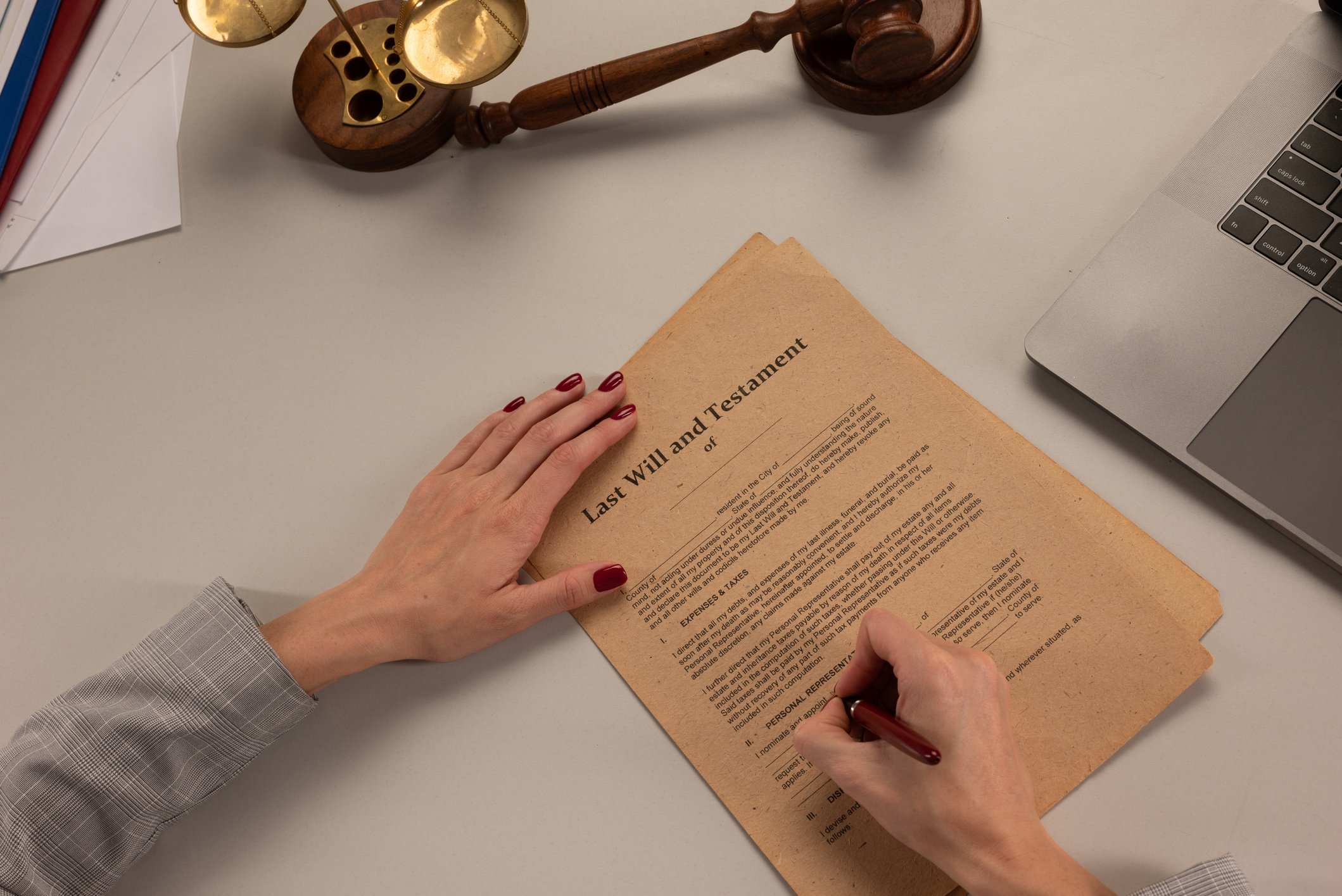
Taking on the role of an estate executor is a big responsibility and, when someone passes away, your duties will be key to settling the will. You are not just handing out inheritances — you are legally responsible for managing everything the deceased left behind, from debts to taxes to property. If things are not handled properly, executors can sometimes be held personally liable.
If you have been named executor (now referred to as an "estate trustee” in Ontario) of an estate, it is essential to know what your duties are and why working with an estate lawyer can help make your task a lot smoother.
Estate Executors Are Trustees, Not Owners
An executor does not own the estate, instead, they hold it in trust for the beneficiaries. That means they are acting as a trustee — someone who has to manage property responsibly for others, not for themselves.
Because they are trustees, executors are held to a high legal standard when it comes to the handling of the estate. They must act in accordance with the instructions of the will, or applicable law, avoid conflicts of interest, and ensure that things are handled within a reasonable timeframe. Estate trustees can be liable for some mistakes they make, which is why it’s common for them to seek the advice of an estate lawyer.
What Are The Key Duties of an Estate Executor?
Executors must administer the estate in accordance with the will, or absent the will, in accordance with application intestate succession laws. While it is not a race against time, they also should not delay this work indefinitely.
Managing an estate is not always simple, especially if the estate is sizeable.. Executors often have to deal with everything from paying off debts and taxes to selling property and distributing money to the beneficiaries. This is why they often work with an experienced estate lawyer, as well as other professionals, to be sure the estate is handled, and administered, properly.
Is An Estate Executor Allowed To Hire Professional Help?
If an estate trustee runs into complicated issues, like tax problems or investment questions, they have the right to get professional advice — and sometimes, they are expected to. Hiring accountants, lawyers, real estate agents, or appraisers is completely normal, and the estate usually covers these costs as long as they are reasonable and required.
Working with an estate lawyer early on is often one of the smartest moves an executor can make. A lawyer can guide you through probate, help handle disputes, advise on legal requirements, and protect you from becoming personally liable for mistakes and omissions..
When Can Executors Face Personal Liability?
An executor’s job includes administering the estate in accordance with the will’s provisions, or intestate succession laws, if applicable. An executor is also responsible for settling any of the deceased’s debts and filing tax returns.
While executors are not personally responsible for debts the deceased left behind, they can become personally liable if they mishandle the estate. Some examples include:
Distributing money to beneficiaries before paying off estate debts (especially taxes).
Failing to maximize the estate's assets (for example, letting a house fall into disrepair).
Incurring new debts or excessively spending estate assets during the estate administration
One important step to avoid personal liability is getting a tax clearance certificate from the Canada Revenue Agency before making final distributions. This certificate confirms that all taxes owed by the deceased and the estate have been paid.
What Happens if the Estate Is Insolvent?
Sometimes, the estate simply doesn’t have enough assets to cover all its debts. This is called an insolvent estate. If this is the case, the estate trustee’s job is to pay off the debts according to a strict legal order of priority. Certain creditors, like funeral homes or secured lenders (such as mortgage companies), are paid first and only after all debts have been settled can any remaining funds (if there are any) be given to beneficiaries.
If you are dealing with an insolvent estate, it is essential to work with an estate lawyer. Mistakes can easily expose you to personal liability for unpaid debts, and the rules about who gets paid first can be complicated. Executors should never use their own money to pay the deceased’s debts unless they want to voluntarily do so. Your job is to manage what is there — not to personally fund the estate.
When Does An Estate Require Probate?
In Ontario, the need for probate is primarily determined by the type and value of assets within the estate, along with the presence of a will and any disputes that may arise. The decision is made by a combination of factors, including the need for court validation of the will and executor, and the requirements of financial institutions holding assets.
Real property, significant bank accounts, and investments often require probate to confirm the executor's authority. If a will exists, the estate trustee typically applies for probate to validate the will and their appointment. Disputes over the will's validity, the choice of executor, or beneficiary consent can also necessitate probate, or financial institutions may require probate to release assets. Small estates with limited assets may not require probate and some financial institutions may waive the requirement for small estates.
Joint Bank Accounts Can Cause Confusion
It is common for elderly people to add an adult child onto their bank account for convenience but, after death, this can cause confusion. Just because someone’s name is on the account doesn’t automatically mean the money belongs to them.
Unless there is clear evidence that the deceased intended to gift the account to the joint holder, Canadian law usually assumes the money belongs to the estate and must be divided according to the will. Executors need to be careful here — and again, legal advice is important in case there is a disagreement.
Handling Estate Properties: Houses, Cottages, and More
Real estate is often the biggest asset in an estate. Executors have important duties when it comes to properties, including:
Making sure houses and cottages are properly insured and maintained.
Charging fair market rent if someone (even an executor or beneficiary) lives there during the estate administration.
Selling the property for fair market value unless the will says otherwise.
If a family member wants to buy the house, they still need to pay what it is truly worth unless the will gives them special rights. An independent appraisal or a listing on the open market is necessary to confirm the value of the property. If an executor is living in an estate property themselves, it is especially important to manage things fairly and transparently to avoid conflicts of interest.
Are Executors Entitled to Compensation?
The work of an executor can be very complicated and so they are allowed to be paid for their time and effort. The payment comes out of the estate and must be reasonable. Executors are legally required to keep detailed records of the estate's finances which means tracking all the assets, any income or losses, all the expenses, and all the distributions made to beneficiaries.
If there is a disagreement over how much is fair, the courts can step in through a process called "passing of accounts." This process is a detailed review of everything the executor has done, not just a check on their fees, and should be handled with an experienced legal advocate since it can get very technical.
What Can Happen When Things Go Wrong
If an executor or beneficiary is not following the rules, people can enforce their rights in court but estate litigation is expensive, stressful, and time-consuming. Judges want clear, well-documented evidence before stepping in.
If you’re an estate trustee facing a dispute, or a beneficiary concerned about how an estate is being handled, working with an experienced estate litigation lawyer is essential. In many cases, if your concerns are reasonable and your case is properly presented, the court may order the estate to cover part of your legal costs.
If You Have Been Named As An Estate Trustee, Work With Our Experienced Estate Lawyers For Advice and Support
Being an estate executor can be difficult, especially when family emotions run high, financial stakes are significant, or the estate is complex. Having trusted legal guidance helps protect you, the estate, and the beneficiaries.
The estate lawyers at Gionet Fairley Wood LLP have over 20 years of experience handling estate law in the Barrie, Grey, and Simcoe County area, helping executors properly manage estates and avoid personal liability along the way. Whether you need advice on probate, protecting estate assets, dealing with disputes, or passing your accounts, visit our website today to schedule a consultation or call Gionet Fairley Wood LLP at (705) 468 1088. We will walk you through the process one step at a time, and will answer any questions you have so that you can rest assured that you are making sound decisions at each turn in the road.
***The information provided in this blog is for general informational purposes only and should not be construed as legal advice. If you have legal questions, we strongly advise you to contact us.