

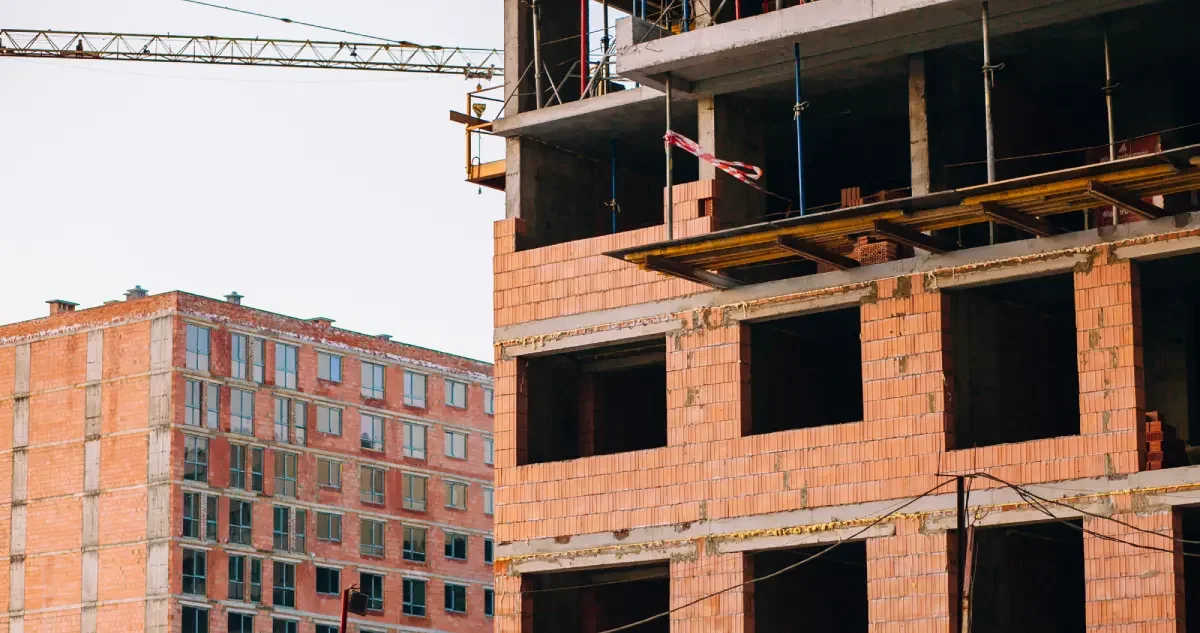
Subcontractor disputes tend to surface at some of the most inconvenient moments, for example when the crew trailer is suddenly gone from the construction site but the drywalling is not finished. Calls go to voicemail, the taping sits half done, and the painters booked for next week want to know whether they should still show up. On the other side of that story, the drywall contractor may have spent weeks chasing unpaid invoices, working around an unsafe site, or watching the schedule slide until it ran straight into their next booked job.
At Gionet Fairley Wood LLP, we act for contractors, subcontractors, and owners on projects across Simcoe County and Muskoka, and we hear both versions of this story regularly. When a subcontractor quits before the job is done, Ontario construction law does not automatically side with one party. The outcome usually depends on why the subcontractor left, what the contract says, and what each side did in the days that followed.
Why Disputes Start When a Subcontractor Walks Off the Job
Subcontractor disputes can start for many reasons. Unpaid invoices are the most common trigger. A trade can only carry wages, materials, and equipment costs for so long before staying on the job costs more than walking away.
Safety is another serious reason. If scaffolding is unsound, the site is not secured, or a crew is being asked to work around hazards that should have been fixed, the subcontractor has every reason to pull its people. Ontario workplace safety law gives workers the right to refuse work they believe is dangerous.
Schedule delays and miscalculations cause just as many problems. A general contractor may set deadlines that were never realistic for the scope, or the project may fall behind because of other trades, late materials, or design changes. Subcontractors book their work months ahead, and when a job runs weeks over, it can collide directly with the next contract on the calendar. That kind of timing conflict is especially common on seasonal and cottage builds in Grey and Bruce Counties, where the building window is short and every trade is stretched.
Sometimes the cause is a disagreement over extra work that was requested but never put in writing. Each situation leads to a very different legal outcome, which is why the reason for the walk-off is the first thing we look at.
Who Pays When a Subcontractor Quits
On most projects, the owner hires a general contractor, and the general contractor hires the subcontractors. Because the owner usually has no contract with the sub, the general contractor is the one left holding the problem when a trade leaves. The owner still expects a finished project, so the contractor generally has to find a replacement and cover the extra cost up front.
Whether the contractor can get that money back from the subcontractor depends on why the subcontractor left. If the subcontractor walked away without a valid reason, the contractor can usually claim the extra cost of finishing the work, meaning what it paid the replacement beyond what it still owed the original sub, plus costs caused by the delay.
If the subcontractor had a good reason to leave, the scene changes. A contractor who stopped paying, kept workers on an unsafe site, or caused delays may owe the subcontractor for the work completed and possibly more. In other words, the party who broke the deal first is usually the one who pays.
Is Walking Off the Job a Breach of Contract in Ontario?
Not always. A subcontractor who leaves with no valid reason, and without following the steps in its contract, has likely broken the agreement. In that case, the contractor can end the subcontract, bring in someone else to finish, and claim the added cost. The contractor still has to act reasonably. Courts expect to get fair quotes and a contractor who overpays or upgrades the work may not recover all of their expenses.
A subcontractor with a real problem, such as unpaid invoices, an unsafe site, or a schedule that has fallen apart through no fault of its own, may be fully justified in stopping work. Ontario prompt payment rules require contractors to pay proper invoices within set timelines, and they give subs a fast way to enforce that. Even so, how the subcontractor stops carries real weight. Giving written notice of the problem, referring to the contract, and allowing a reasonable chance to fix the situation puts the subcontractor in a far stronger position than simply not showing up one morning.
What Should Contractors and Subcontractors Do When the Work Stops?
The first week after a subcontractor quits often decides how the dispute ends, and the steps are much the same for both sides. Start by reading the contract closely and having it reviewed by a construction lawyer. Look for what it says about ending the agreement, how much notice is required, how long a party has to fix a problem, and how delays and extra work are handled. Many subcontracts require written notice and a set number of days before either side can walk away or bring in a replacement.
A contractor should send a clear letter explaining what the subcontractor has failed to do and setting a deadline to return. A subcontractor should do the same, laying out the unpaid amounts, the safety concerns, or the schedule problems that led it to stop. Phone calls and job site conversations are easily forgotten or disputed later, while emails and letters create a record that a judge or adjudicator can follow.
Both sides should also document the site with dated photos, daily reports, delivery slips, and a list of materials and equipment left behind. The last day a subcontractor worked on site is one of the most argued facts in construction law, so a reliable record is crucial. Contractors should track every replacement cost separately, and subs should keep a clear record of the work completed and the invoices still outstanding.
Since January 1, 2026, changes to the Construction Act require a notice to be published within seven days when a contract or subcontract is ended, and the publication date can affect payment and lien deadlines. You should speak with an experienced construction lawyer before you send any termination notice.
Can a Subcontractor Who Quits Still Get Paid for the Work?
A subcontractor who leaves the job does not lose the right to be paid for the work they have already completed. One of the main tools for collecting that money is a construction lien, which is a claim registered against the property. A subcontractor generally has sixty days to register a lien, and the clock can start from the last day of work, the day the subcontractor left the job, or the day the contract was ended, whichever comes first. Missing that window can mean losing the lien entirely, so subs should not wait to see whether payment shows up.
Contractors have protections too. A lien only covers the value of the work actually done, minus what has already been paid, so an inflated lien can be challenged. A contractor or owner can also pay money into court to have a lien removed from the property, which keeps the project and its financing moving while the dispute is sorted out. In some cases, a contractor can also deduct money the subcontractor owes it on the same project from what it would otherwise pay.
Holdback is part of this picture as well. Owners and contractors in Ontario keep back ten percent of each payment until the work is finished, partly to protect against lien claims. Contractors also need to follow the prompt payment rules if they disagree with a subcontractor’s invoice. Disputing an invoice requires sending a formal notice of non-payment within strict time limits, and a contractor who does not act may have to pay the full amount.
How Adjudication Can Settle Subcontractor Disputes Quickly
Court cases can take years, and most contractors and trades cannot wait long to sort out who owes what. Adjudication is a faster option built into the Construction Act. A trained adjudicator reviews the documents from both sides and makes a decision on payment issues in a matter of weeks rather than years.
Since January 1, 2026, either side can start adjudication up to ninety days after a contract ends, including when a subcontractor has left the job or been let go. That gives subcontractors a quicker route to payment for completed work and gives contractors a way to resolve disputed invoices and back-charges. The decision must be paid right away, even if someone later takes the bigger dispute to court. Older contracts may fall under the previous rules, so it is worth checking with a lawyer to see which rules apply to yours.
How Can Contractors and Subs Avoid a Walk-Off?
Most walk-offs can be prevented with a clear contract and good communication. A written scope of work, a realistic schedule with room for delays, a process for approving extra work in writing, and a fair way to end the agreement give both sides a plan when problems come up. Contractors who pay on time and keep their sites safe remove the most common reasons a trade leaves. Subcontractors who raise problems early, in writing, give the contractor a chance to fix them before the relationship breaks down.
When a schedule starts to slip, an honest conversation about new dates and what each side can realistically commit to is far cheaper than a dispute. Small issues are much easier to solve while everyone is still on site.
Speak With a Local Construction Law Lawyer About Subcontractor Disputes
Whether a subcontractor quits on your project or you are the trade who had no choice but to leave, the decisions made in the first week shape everything that follows. At Gionet Fairley Wood LLP, our construction law team has years of experience resolving subcontractor disputes for general contractors, subcontractors, and owners in Simcoe, Muskoka, Grey and Bruce Counties and throughout Ontario. We review your contract, protect your right to be paid, and work toward a practical resolution through negotiation, adjudication, or court when needed.
If a job has fallen apart and you are not sure where you stand, contact GFW Law today to speak with a member of our team before a deadline makes the decision for you.
The information provided in this blog is for general informational purposes only and should not be construed as legal advice. If you have legal questions, we strongly advise you to contact us.