

Breaking a Commercial Lease: A Guide For Tenants and Landlords
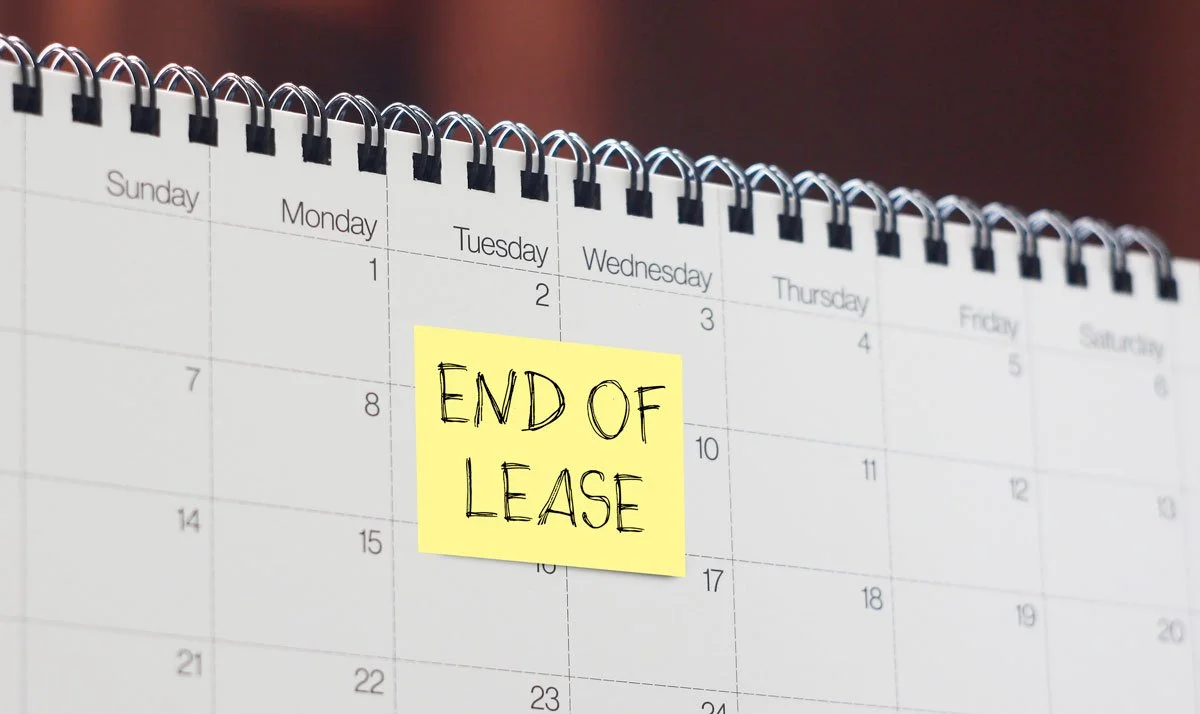
Breaking a commercial lease can create serious legal and financial challenges. Whether you are the tenant or the landlord, it is important to understand your rights and the remedies that may apply. Because the law in this area is complex, working with an experienced commercial lawyer can help protect your interests and guide you through your options.
When a Tenant Breaks a Commercial Lease
When a tenant fails to follow the terms of a commercial lease, the landlord first needs to determine the type of breach, also called a default. Some defaults are monetary, such as failing to pay rent or utility bills. Others are non-monetary, such as causing property damage, not maintaining required insurance, or using the property for an unapproved purpose. In some cases, landlords are able to convert a non-monetary default into a monetary one. For instance, if the landlord pays to repair damage caused by the tenant, the cost can be added to rent. Monetary defaults are often easier to enforce than non-monetary ones.
If a tenant does not fix the default within the notice period set out in the lease, the landlord must decide whether to try to preserve the relationship or terminate the lease altogether. When a landlord wants to continue the lease, they may try to collect outstanding rent or damages, ask the court for an order requiring the tenant to stop breaching the agreement, or request an order requiring the tenant to take certain actions, such as making repairs. In some cases, landlords can also seize goods from the tenant’s premises to cover what is owed, but this process is highly regulated and carries risks so consulting with a commercial lawyer is essential.
When a landlord decides on breaking a commercial lease, they may terminate it. This could mean formally ending the lease by written notice, applying for a court order to regain possession of the property, or seeking damages to recover lost rent and other financial losses. Landlords must also make reasonable efforts to reduce their losses by finding another tenant as soon as possible.
What Happens When a Landlord is Breaking a Commercial Lease
Tenants are not without recourse when a landlord fails to follow the terms of the lease. If the tenant wishes to keep the lease in place, they may ask the court for damages, an injunction, or an order requiring the landlord to comply with the lease. In some cases, tenants may also seek relief from forfeiture, which allows a court to excuse a breach if the tenant has made reasonable efforts to remedy it. This remedy can also prevent a landlord from breaking a commercial lease for improper reasons.
If a tenant decides the lease should be terminated, they may argue that the landlord’s actions amount to a fundamental breach, meaning the landlord’s conduct is so serious that it makes it impossible for the tenant to operate their business as intended. In these cases, tenants may seek compensation for moving costs or for the difference in rent between the old and new locations. Depending on the terms of the lease, tenants may also try to set off the landlord’s breach by deducting what is owed from their rent, though some leases specifically forbid this. Tenants may also rely on their right to quiet enjoyment, which ensures they can use the space as intended without interference from the landlord.
Notice Periods and Waivers
Notice periods are critical in commercial lease disputes. Leases often spell out how long a tenant has to fix a default, and the length of time can differ between monetary and non-monetary defaults. If a lease does not specify a timeline, Ontario’s Commercial Tenancies Act allows a landlord to terminate a lease if rent has not been paid for more than fifteen days. Non-monetary defaults usually require a longer notice period.
Another important factor is waiver. A landlord may lose the right to break a commercial lease if they know about a breach but continue to act as if the lease is still in effect. For example, if a tenant violates the lease but the landlord keeps accepting rent, the tenant may later argue that the landlord waived their right to enforce the breach.
Legal Guidance is Crucial When Breaking a Commercial Lease. Our Experienced Lawyers Have the Skills To Represent You
Commercial lease disputes are rarely simple. The remedies available depend on the exact terms of the lease, the type of default, and the steps taken by each party. Because these situations can quickly escalate into costly litigation, having a commercial lawyer on your side can make all the difference. A lawyer can review the lease, explain your rights, and take the right steps to either enforce or defend your position.
At Gionet Fairley Wood LLP, our commercial lawyers have extensive experience representing clients in lease disputes and other civil litigation matters. We work with businesses and individuals in Barrie, Simcoe, Grey-Bruce, Muskoka and throughout Ontario to help them resolve these complex issues effectively.
Call us today at (705) 468-1088 or visit our website to schedule a consultation with an experienced property dispute lawyer.
***The information provided in this blog is for general informational purposes only and should not be construed as legal advice. If you have legal questions, we strongly advise you to contact us.