

Facing a Dispute Over Leasehold Improvements? Why You Need to Work With a Lawyer
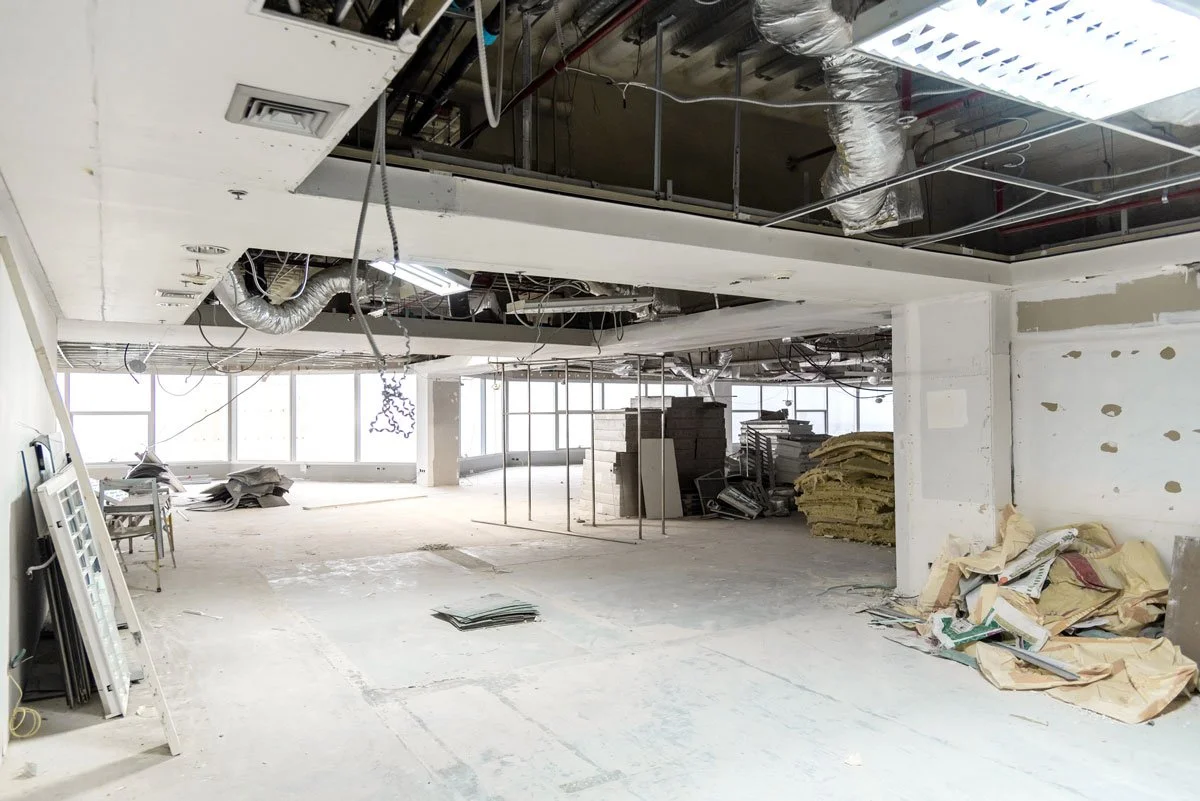
Disputes over leasehold improvements are common in commercial real estate and can quickly become complicated. These disagreements often involve who owns the improvements, who pays for them, whether proper approval was given, or who is responsible for removing them when the lease ends. The best way to avoid these conflicts is with a clear, well-drafted lease. However, if a dispute does arise, it is important to understand your rights and to work with a litigation lawyer who can help protect your interests.
Common Areas of Dispute Over Leasehold Improvements
Ownership of Improvements
One of the most common issues is ownership in a dispute over leasehold improvements. When a tenant makes improvements to leased space, such as building walls, adding lighting, or installing equipment, questions can arise about who owns those improvements once they are in place. Under common law, anything permanently attached to a building typically becomes part of the property and therefore belongs to the landlord. However, lease agreements often include terms that modify this rule. In some cases, certain improvements—known as trade fixtures—remain the property of the tenant, as long as removing them does not damage the building.
Payment and Cost Responsibility for Leasehold Improvements
Another source of conflict is payment and cost responsibility. When lease terms are vague, landlords and tenants may disagree about who should pay for the work or how a tenant improvement allowance (TIA) should be applied. For example, a tenant may assume that the landlord will reimburse some costs, while the landlord may expect the tenant to cover everything beyond a specific budget or fixturing period. Clear financial terms in the lease are essential to avoid these misunderstandings.
Requirement for Landlord Consent
Approval requirements also create tension in a dispute over leasehold improvements. Most commercial leases require tenants to obtain written consent from the landlord before making any alterations. If the tenant proceeds without permission, the landlord may claim the work violates the lease. On the other hand, if the landlord unreasonably delays or refuses approval, the tenant may face business delays or added expenses.
Responsibility for Construction Liens
Construction liens are another complex issue. If a tenant hires a contractor and fails to pay them, that contractor may file a lien against the property. Whether the landlord can be held liable depends on their involvement in the project. If they directly benefited from or participated in the improvements, the law may consider them an “owner” under construction lien legislation. These situations can quickly escalate into legal disputes that require professional guidance to resolve.
Removal and Restoration Obligations For Improvements
At the end of a lease, conflicts often arise over removal and restoration obligations. A tenant may believe they can leave improvements in place, while the landlord may expect the property to be restored to its original condition. Disputes also occur over what qualifies as “reasonable wear and tear.” The lease should clearly outline what needs to be removed and what the space should look like when the tenant vacates.
Scope and Quality of Work
Finally, disagreements sometimes occur over the quality or scope of the work itself. The landlord may claim the improvements were poorly done or that they reduced the property’s value, while the tenant may argue that the work was completed properly and enhanced the space.
How Disputes Over Leasehold Improvements Are Resolved
Most commercial leases include a process for resolving disputes. The first step is usually negotiation. Often, a direct discussion between the landlord and tenant can resolve the issue before it grows into a legal battle.
If negotiation fails, mediation can help. A neutral third party assists both sides in finding common ground and reaching a settlement. This process is less formal than court and can save both time and money.
Arbitration is another option. It involves an independent arbitrator who listens to both sides and makes a binding decision. Arbitration tends to be faster than going to court but still provides a formal resolution.
When these methods do not work, or do not apply, litigation may be necessary. This means taking the dispute to court. In Ontario, smaller monetary claims (under $50,000) are handled in Small Claims Court, while larger or more complex cases go to the Superior Court of Justice. Litigation is often the last resort but may be the only way to enforce rights or recover financial losses.
Preventing Future Conflicts Between Landlords and Leaseholders
The best way to prevent disputes over leasehold improvement is through a clear and detailed lease agreement. The lease should specify what kinds of improvements are allowed, who pays for them, who owns them once installed, and exactly what must happen when the lease ends. It should also describe how any disputes will be resolved, whether through mediation, arbitration, or court action.
Even with a well-written lease, disagreements can still arise. That is why it is important to work with an experienced litigation lawyer early on. A lawyer can review your lease, explain your rights, negotiate with the other party, and represent you if the matter goes to court.
Work with the Litigation Lawyers at Gionet Fairley Wood LLP If You Are Involved in a Dispute Over Leasehold Improvements
With the right legal guidance, you can protect your investment, avoid unnecessary costs, and resolve disputes efficiently. The experienced team at Gionet Fairley Wood LLP understands how to resolve disputes while minimizing the impact on your business.
If you are facing a dispute about leasehold improvements across Simcoe, Grey-Bruce, Muskoka, or anywhere in Ontario, the team at Gionet Fairley Wood LLP can offer you experienced legal advocacy. Contact us today at (705) 468-1088 or visit our website to schedule a consultation and learn how we can help resolve your dispute.
***The information provided in this blog is for general informational purposes only and should not be construed as legal advice. If you have legal questions, we strongly advise you to contact us.