

What Causes Disputes in Real Estate and Why You Need A Skilled Local Lawyer
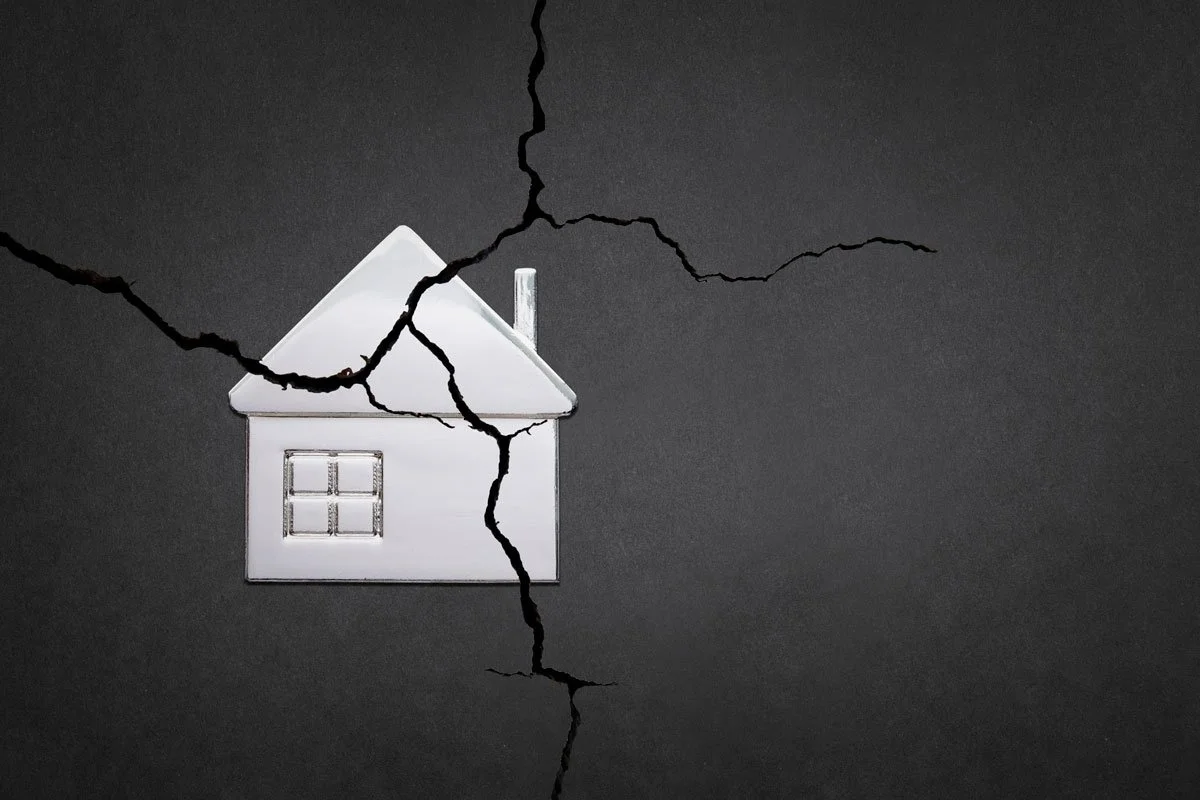
Disputes in real estate are more common than many people realize. Real estate transactions are meant to be exciting milestones—buying your first home, selling a family cottage, or closing a commercial investment. However, when legal problems arise, that excitement can quickly turn into stress, delays or even a court case.
What seems like a routine deal can unravel when hidden issues come to light, whether it is an argument over boundaries, a conflict with a buyer or seller, or a problem with the property title. And when money, contracts and property rights are on the line, the stakes are high.
Property Disputes in Real Estate: Boundary Lines and Encroachments
Disagreements over where one property ends, and another begins are a frequent cause of legal trouble. These disputes often arise when a fence, driveway or structure crosses into a neighbour’s land. Sometimes the issue is due to outdated or inaccurate surveys. When owners cannot agree, the situation can quickly escalate into a legal dispute that requires updated land surveys and court involvement.
Title Issues: Who Really Owns the Property?
Title issues can bring a transaction to a halt. A property title might have liens, easements, or ownership disputes that are not obvious at first. If a seller does not have clear legal ownership, or if someone else has a legal interest in the property, the buyer may not be able to take full possession. These issues often surface during title searches and can delay or derail the sale without legal intervention.
Contract Disputes in Real Estate: When the Fine Print Becomes a Problem
Real estate contracts are full of legal terms that must be followed by both parties. If a buyer or seller fails to meet a condition, backs out of the deal without legal grounds or disagrees with the terms, the result can be a serious dispute. Missed deadlines, financing issues or vague contract language are common triggers. These conflicts often require litigation to resolve or enforce the agreement.
Undisclosed Defects: Hidden Problems After Closing
Sellers are legally required to disclose known problems with the property, such as water damage, structural issues or mould. When buyers discover hidden defects after the sale—especially ones the seller knew about—this can lead to claims of misrepresentation or fraud. These cases often involve expert inspections and litigation to recover repair costs or reverse the deal.
Financial Disputes in Real Estate: When Deals Break Down Over Money
Money-related issues are a common source of conflict in real estate transactions. One of the most frequent problems is mortgage financing. A buyer might be pre-approved, but if the lender pulls funding close to the closing date, the deal can collapse, often leading to legal action from the seller.
Disputes over deposits are also common. If a deal falls through, both parties may claim the deposit, especially if there is disagreement over who caused the collapse. In some cases, undisclosed financial obligations like unpaid property taxes, condominium fees or liens show up after closing, leaving the buyer stuck with unexpected costs. These surprises can lead to claims of misrepresentation or breach of contract.
Zoning Disputes: When the Property Cannot Be Used as Planned
Zoning bylaws determine how a property can be used—residential, commercial, industrial, or agricultural. Buyers may run into trouble if they purchase land with plans that do not match local zoning rules. This is especially common in commercial real estate, where a planned business may not be permitted. These disputes can be time-consuming and costly if discovered after the purchase is complete. It is essential to work with a real estate lawyer who is familiar with all local bylaws.
How a Real Estate Lawyer Helps in a Dispute
When a dispute in real estate arises, having an experienced litigation lawyer is essential. Legal conflicts require a detailed understanding of real estate law, property rights, and court procedures. A lawyer’s job is to protect your interests, offer clear advice, and, if necessary, take legal action on your behalf.
Lawyers begin by reviewing all relevant documents—the purchase agreement, title, mortgage terms, disclosure statements, and surveys—to identify where things went wrong and what your legal options are. They may negotiate with the other party to resolve the issue outside of court, or prepare to take the matter to litigation if a settlement cannot be reached.
In a boundary or title dispute, your lawyer can arrange for an updated survey and work with land registry officials to clarify ownership. In contract or disclosure cases, they can gather evidence, advise you on how to proceed, and represent you in negotiations or court proceedings.
Why Legal Knowledge Matters in Disputes in Real Estate
Real estate law in Canada is shaped by federal, provincial, and municipal regulations. That means a solution that applies in one city or province may not apply in another. Legal strategies need to be tailored to local laws and the specific facts of the case.
In addition, real estate litigation often involves large sums of money and time-sensitive decisions. A delay in responding or a poorly handled negotiation can affect your finances, your credit, and your future ability to buy or sell property.
If a disagreement arises during or after a real estate transaction, it is best to speak with a lawyer as soon as possible. Many legal problems can be resolved quickly and privately if addressed early, but waiting too long can limit your options or weaken your legal position.
You do not need to wait until things escalate. A lawyer can also help prevent disputes by reviewing documents before you sign, conducting title searches, and making sure everything is in order before closing day. That extra layer of protection can help you avoid expensive mistakes.
If You are Facing a Dispute in Real Estate, Work with the Experienced Local Real Estate Lawyers at Gionet Fairley Wood LLP
Whether you are facing a potential lawsuit, dealing with a contract disagreement, or trying to resolve a property boundary issue, experienced legal representation makes all the difference in a real estate dispute.
If you are involved in a real estate conflict—or want to avoid one—reach out to our team. The knowledgeable real estate lawyers at Gionet Fairley Wood LLP can help you understand your options and advise you about the most effective way to resolve your real estate dispute.
With years of experience handling real estate litigation in the Barrie, Grey, Muskoka and Simcoe County area, we can act as your legal advocates in any real estate dispute. Visit our website today to schedule a consultation or call us at (705) 468 1088.
***The information provided in this blog is for general informational purposes only and should not be construed as legal advice. If you have legal questions, we strongly advise you to contact us.