



Our Blogs


Facing a Construction Delay Dispute? Learn What Is Covered By Ontario Law
A common occurrence in construction disputes is when the project deals with delays and falls behind schedule. The parties often disagree about what caused the delay, who is responsible, or who should bear the resulting costs. These disputes can involve contractors, subcontractors, owners, developers and other project participants. A delayed project can mean lost revenue, strained subcontractor relationships, and mounting legal exposure.

Common Mistakes That Invalidate a Construction Lien in Ontario
Construction lien mistakes in Ontario happen more often than most people expect, and when they do, the right to recover payment can disappear entirely.

Construction Holdback Disputes in Ontario: When Owners Refuse to Release Funds
Construction holdback disputes can quickly turn a successful project into a legal dispute. Under Ontario's Construction Act, holdbacks serve an important purpose. They help protect parties further down the construction chain by ensuring funds remain available to satisfy valid lien claims. However, once lien rights have expired or applicable statutory requirements have been met, those funds are not meant to remain frozen indefinitely.

What Happens When a Subcontractor Does Not Get Paid in Ontario
It is an all too common problem in the construction industry – a subcontractor does not get paid, even after completing their work properly and on time.
As a subcontractor, you showed up, did the work, supplied materials, and now you are waiting to be reimbursed. Days turn into weeks, and the answers you get are vague or delayed.

Why Verbal Change Orders in Construction Often Turn into Legal Disputes
Verbal change orders in construction may feel routine on a busy job site, but they are one of the fastest ways projects turn into legal disputes. It is important to understand why verbal changes are risky, how courts look at them, and when it is time to speak with a construction lawyer before costs spiral.

Changes to Ontario’s Construction Act Took Effect January 1. How Will It Affect Your Business?
As of January 1, 2026, changes to Ontario’s Construction Act will be enforced and this round of updates, introduced by Bill 60, will affect how money flows, how disputes get resolved, and how projects are managed day to day. While prompt payment, adjudication, and lien reforms have been in place for several years now, these latest amendments tighten the rules and remove some flexibility that owners, builders, and trades had gotten used to.

What Are Construction Lien Bonds and How Do They Work?
Lien bonds play an important role in helping construction projects move forward when a payment dispute leads to a construction lien on a property. Disputes are a normal part of doing business, especially in the construction world where payments, timelines, and materials all need to stay on track. When a disagreement over payment happens, it can lead to a construction lien being placed on the property, which can slow everything down until the issue is resolved

How To Resolve or Challenge a Construction Lien in Ontario
Construction liens are a powerful legal tool used in Ontario to make sure contractors, subcontractors, and suppliers get paid for the work or materials they have provided. However, these claims can be contentious for property owners, contractors and others involved in a construction project, especially when the lien is disputed, inaccurate, or unfairly filed. Knowing how to resolve or challenge a construction lien can help protect both your property and your financial interests.

Construction Delay Disputes and How Litigation Protects Your Interests
In the construction industry, deadlines are everything and construction delay disputes are common. Whether you are building a commercial plaza, a multi-unit development, or a large-scale industrial project, finishing on time is critical to keeping costs under control and clients satisfied. When delays happen, they cause disputes that can lead to serious financial consequences.
Repair and Storage Liens: Why Repair Shops Can Get Paid Before Lenders
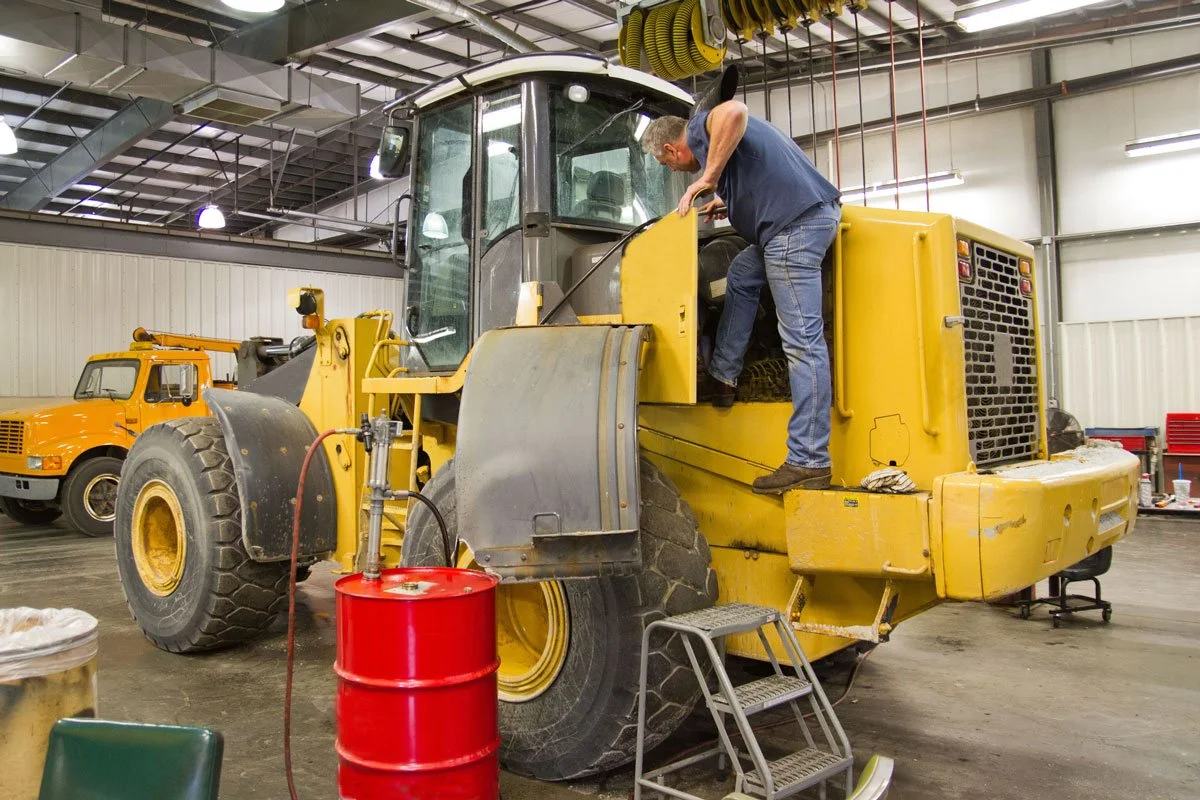
Repair and Storage liens can have surprising legal power, sometimes even more than a registered lender’s claim. Suppose a contractor finances an excavator through an equipment finance company. To secure the lien, the lender registers a purchase-money security interest (PMSI) under Ontario’s Personal Property Security Act (PPSA), which usually gives it top priority if the borrower defaults.

Are Pay-When-Paid Clauses Still Valid Under Ontario’s Prompt Payment Laws?
In Ontario construction contracts, payment timelines have always been a contentious issue, especially when general contractors insert pay-when-paid clauses into agreements with subcontractors. These clauses typically state that the contractor will not pay the subcontractor until the contractor themself has been paid by the project owner. While that may seem like a fair approach to protect against cash flow crunches, it often leaves subcontractors stuck waiting for payment—sometimes indefinitely—even after they have completed their work.

What You Need to Know About Limitation Periods Applicable to Construction Contracts in Ontario
Limitation periods related to construction contracts are essential to understand, whether it is a contract between a construction company and a contractor, municipality or business. In Ontario, these legal deadlines set the window for taking action and missing them can result in losing the right to pursue a claim altogether. Ensuring your contract reflects these timelines and protects your business if a dispute arises is a key reason to work with a construction lawyer. These are the basics of Ontario construction law limitation periods to consider.

Why You Need a Construction Lawyer To Spot Risks in Your Construction Contract Before You Sign
When entering into a construction contract as a builder hiring a contractor or tradesperson, it is essential to take a careful look at the terms before signing. This agreement outlines who is responsible for what, how much the work will cost, and what happens if things do not go as planned. But without knowing what to look for, it is easy to overlook potential risks that could lead to delays, unexpected expenses, disputes, or even legal action down the road. That is where working with a construction lawyer proves to be a huge asset to your business.

A Contractor’s Basic Guide To Construction Liens
If you have put in the time and effort to complete a renovation on someone’s home but have not been paid, a construction lien is a legal option to collect what you are owed. Construction law in Ontario is complex, with strict deadlines and procedures that must be followed. Even lawyers who frequently work with construction law sometimes struggle with the details, so it is important to understand how to protect yourself and your business. To help give you a general understanding let’s review the basics of construction liens.