

Repair and Storage Liens: Why Repair Shops Can Get Paid Before Lenders
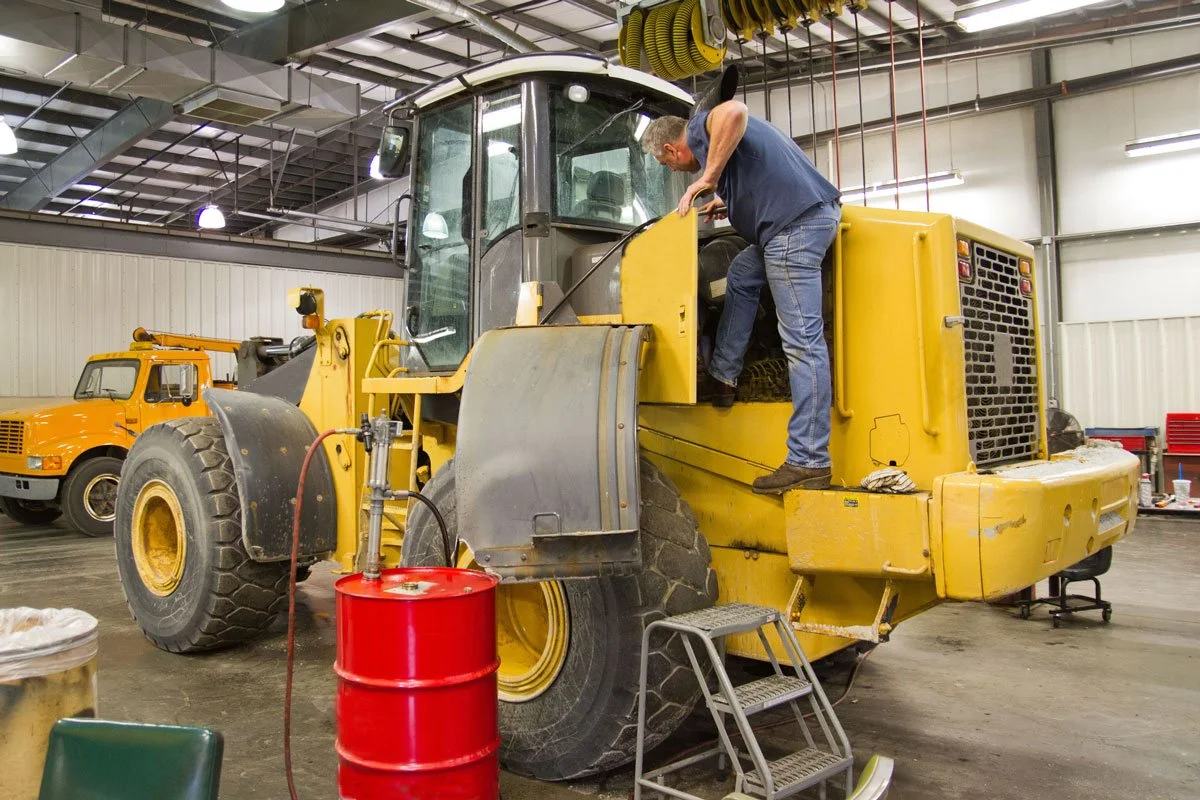
Repair and Storage liens can have surprising legal power, sometimes even more than a registered lender’s claim. Suppose a contractor finances an excavator through an equipment finance company. To secure the lien, the lender registers a purchase-money security interest (PMSI) under Ontario’s Personal Property Security Act (PPSA), which usually gives it top priority if the borrower defaults.
But then the excavator breaks down and is sent to a repair shop. While it is being repaired, the borrower misses payments on the lien. The finance company assumes it can swoop in, seize the equipment, and sell it to recover its money. But that is not always how it works.
The Power of a Repair and Storage Lien
Under Ontario’s Repair and Storage Liens Act (RSLA), a business that repairs or stores equipment—like a mechanic or storage yard—can claim what is commonly referred to as a Repair and Storage Lien. This means they have the legal right to hold onto the item or claim payment for the repair or storage fees, even ahead of a secured lender.
In legal terms, this is called a lien, and it gives the repair or storage business leverage. Even if a lender has a purchase-money security interest, or PMSI, (which usually beats other types of security), the lien from a Repair and Storage lien can take priority.
Holding onto the Equipment Means Holding onto Priority
As long as the repair shop still has the excavator, it holds what is known as a possessory lien. That gives the shop the upper hand, its claim for payment comes before the lender’s, regardless of what is registered under the PPSA.
If the item is returned to the borrower before payment is made, the repair shop or storage facility can still register a non-possessory lien under the RSLA, provided they follow certain rules. This includes registering the lien and getting a written acknowledgment of the debt from the owner.
What Happens if the Borrower Goes Bankrupt?
Even if the borrower enters bankruptcy or receivership, the lien created by a Repair and Storage Lien still holds its ground. The repair or storage company may have to hand the equipment over to the receiver, but their lien rights remain intact. They can register the lien after the fact and file a claim with the receiver or bankruptcy trustee.
While they cannot sell the equipment themselves during these legal proceedings, they may benefit from working with the court-appointed receiver to include the liened equipment in any sales, which could help bring in more money for everyone involved.
It Is Not Just About Heavy Equipment
The rules around Repair and Storage liens do not just apply to excavators or trucks. They can come into play with all sorts of personal property—from boats to farm machinery to industrial tools. For lenders, understanding how these liens work is crucial. A valid Repair and Storage Lien can impact the order of who gets paid, even when a secured lien is in place.
Get Legal Advice from a Construction Lawyer to Protect Your Interests. Call Gionet Fairley Wood LLP for Peace-Of-Mind
Whether you are a lender, a repair shop, or a storage facility, it is important to make sure your rights are properly secured, and your liens are enforceable. The rules under the RSLA and PPSA can be complex, especially when timing, documentation, and legal procedures matter.
The experienced construction lawyers at Gionet Fairley Wood LLP can help. Our team understands the intricacies of Repair and Storage Liens and can guide you through registering liens and responding to defaults.
Whether you are in the Barrie, Grey, Muskoka, or Simcoe County area, we can offer you the support you need. Visit our website today to schedule a consultation or call us at (705) 468 1088.
***The information provided in this blog is for general informational purposes only and should not be construed as legal advice. If you have legal questions, we strongly advise you to contact us.